


Getting dental implants marks an important step toward restoring your smile and enhancing your overall oral health. While the procedure is fairly straightforward, understanding the dental implant healing stages helps you know what to expect after surgery and how to care for your mouth during recovery. Each stage ensures that the titanium implant fuses properly with the bone and functions like a natural tooth root.
This guide explains every step of the healing process, what happens during each phase, and how you can support a healthy recovery.
Understanding How the Dental Implant Process Works
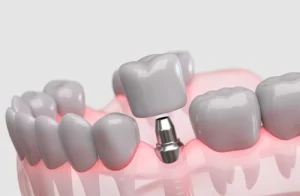 The dental implant journey generally begins with an initial consultation. During this visit, your dentist checks your mouth, checks your dental and medical history, and may take dental X-rays or scans to plan the treatment. If there are any issues, such as bone loss or damaged teeth, your dentist might recommend procedures like a bone graft or tooth extraction before implant placement.
Once you’re prepared for dental implant surgery, your dentist places a titanium post into the jawbone just below the gum line. Over time, this implant fuses with the bone through osseointegration, creating a stable base for your replacement tooth. The full procedure can take several months from start to finish, depending on your oral health and healing rate.
Stage 1: The First 48 Hours Protecting the Implant Site
The first couple of days after surgery are vital for starting the healing process. Your body will form a blood clot at the implant site, which protects the wound and helps tissue regeneration begin.
What to expect during the first two days:
- Minor bleeding or oozing for a few hours after the procedure
- Mild swelling or bruising around the cheeks and gums
- Tenderness that can be managed with prescribed or over-the-counter pain relief
Following your dentist’s post-operative care instructions is key to preventing complications. Using cold compresses can help minimise swelling, while adequate rest supports a quicker healing process.
Helpful tips:
- Avoid touching or rinsing the area forcefully to prevent dislodging the blood clot.
- Choose soft foods such as soups, smoothies, and mashed potatoes during the early stages of recovery to avoid irritating the implant site.
- Avoid smoking and alcohol consumption, as both can slow the healing process and raise the chances of implant failure.
Stage 2: The First Week Gum Healing and Early Recovery
After the initial days, your gum tissue begins to heal and strengthen around the implant. You might still have mild swelling or discomfort, but these symptoms typically decrease over the first week.
It’s important to continue eating soft foods and maintaining good oral hygiene without disturbing the surgical site. By the end of the first week, most patients notice improved comfort and can slowly resume their usual daily routines.
Care recommendations during this phase:
- Brush your other teeth as usual, but avoid brushing directly over the surgical site.
- Use an antimicrobial mouth rinse or saltwater solution if recommended by your dentist.
- Continue to eat soft foods until the area feels stable.
Stage 3: Osseointegration When Bone Healing Begins
This stage is the foundation of implant dentistry. Over the next several months, the titanium implant fuses with your jawbone through osseointegration. This stage allows the implant to bond firmly with the jawbone, creating a strong and steady foundation similar to a natural tooth root.
During osseointegration:
- Bone growth occurs around the titanium implant.
- Gum tissue continues to adapt to the new structure.
- The surgical site strengthens, preparing for the next step.
The duration of this stage can vary, but it usually takes three to six months. People with slower healing or immune disorders may need a few more weeks before moving on to the next stage.
Stage 4: Placing the Implant Abutment
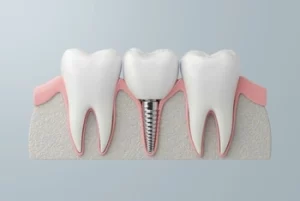 Once your dentist confirms that the implant has integrated with the bone, the next step is attaching the implant abutment. This minor surgery involves reopening the gum tissue to expose the implant and securing a small connector that will support the dental crown.
Healing from this procedure typically takes two to three weeks. During this time, you may be given temporary restorations to maintain your smile’s appearance.
After abutment placement:
- Mild swelling and tenderness are common for a few days
- Avoid chewing directly on the area and continue a soft food diet
- Maintain cleanliness around the area to reduce the potential of infection and support healthy gum healing
Stage 5: Attaching the Final Dental Crown
After the gums have healed completely, your dentist will take precise impressions of your mouth to design a customised crown that matches your surrounding teeth. Once it’s ready, the dental crown is attached to the abutment, completing the tooth replacement process.
The end result closely resembles a natural tooth in both look and function. With consistent care and routine dental visits, dental implants can remain durable for many years.
Tips for a Smooth Dental Implant Recovery
Proper care during the healing stages makes a big difference in how quickly and successfully your implant settles. Here are some tips for a smooth recovery process:
Follow Professional Guidance
Your dentist will provide specific post-operative care instructions. Follow them carefully to support bone healing and prevent complications.
Keep Your Mouth Clean
Practise good oral hygiene by brushing and rinsing your mouth gently, which helps prevent infection and promotes healthy gum tissue.
Eat Soft Foods
During the early recovery phase, a soft food diet helps reduce irritation and pressure on the implant. Gradually begin incorporating solid foods into your meals as your mouth heals.
Avoid Habits That Slow Healing
Smoking, alcohol, and poor oral hygiene can interfere with blood flow and bone growth, leading to delayed healing or implant failure.
Recognising Normal Healing and Potential Problems
It’s common to have mild swelling and slight discomfort following the surgery. Knowing what’s normal and what’s not can help you identify when to contact your dentist.
Typical signs of normal healing:
- Minor bleeding or oozing within the first day
- Mild swelling for a few days
- Slight soreness that improves gradually
Warning signs of complications:
- Persistent swelling or severe pain beyond one week
- Ongoing bleeding or pus around the implant site
- A loose implant or pain when biting
- Signs of infection, like fever, unpleasant breath, or a persistent bad taste in the mouth.
If you experience any of these symptoms, reach out to your dentist immediately for evaluation and treatment.
Factors That Can Influence Implant Healing
Healing time and success depend on several personal and clinical factors:
- Overall Health: People with conditions like diabetes or immune disorders may experience slower healing.
- Bone Density: Adequate bone volume ensures the implant’s strong foundation. A bone graft might be needed for those with thinner bone structures.
- Oral Hygiene: Consistent cleaning habits help prevent infection and gum inflammation.
- Smoking: Nicotine restricts blood flow, which can delay healing and reduce the implant’s success rate.
- Adherence to Care Instructions: Following your dentist’s recovery guidelines significantly increases the likelihood of a successful result.
How Long Does the Healing Process Take?
Healing time differs for everyone. On average, most patients need between three and nine months to complete the full dental implant procedure. Recovery can take longer if bone grafting or additional dental surgery is required.
Despite the lengthy process, dental implants are worth the patience. Once fully healed, they provide a durable, natural-looking tooth replacement that improves your smile, bite strength, and overall dental health.
Caring for Your Dental Implants Long-Term
After the dental implant treatment is complete, consistent care is vital to maintaining its longevity. Dental implants are made to perform just like natural teeth, so maintaining a consistent oral care routine is key to keeping them healthy and long-lasting.
Long-term maintenance tips:
- Brush and floss daily to eliminate plaque buildup and maintain healthy teeth and gums
- Schedule regular dental check-ups for professional cleaning and monitoring
- Avoid biting hard items like ice or pens that could damage the crown
- Maintain a balanced diet to support your overall health and bone strength
With good oral hygiene habits and routine visits to your dentist, your implant can last for decades while maintaining the look and feel of a natural tooth.
Frequently Asked Questions
- How long does healing take after dental implant surgery?
Most patients heal within three to six months, though the timeline can vary based on overall health and whether bone grafting was required.
- When can I eat solid food after my dental implant procedure?
Soft foods are recommended for at least the first week. Once your gums feel comfortable and your dentist confirms progress, you can gradually reintroduce solid foods.
- What if my gums swell or feel sore after surgery?
Mild swelling or discomfort is normal in the first few days. Using cold compresses and taking prescribed pain relief can help. If swelling persists, contact your dentist.
- How do I keep the implant site clean while it heals?
Brush your teeth gently and avoid direct pressure on the surgical site. If your dentist recommends it, use an antimicrobial rinse or saltwater solution.
- Can anyone get dental implants?
Most healthy adults are suitable candidates. However, people with immune disorders, gum disease, or insufficient bone may need additional treatment before getting implants.
Moving Forward with Your Dental Implant Journey
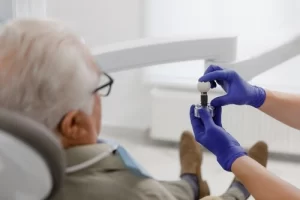 Understanding the dental implant healing stages helps you appreciate how each step contributes to a lasting and functional result. From the first consultation to the placement of the final crown, every part of the process is designed to ensure a healthy recovery and a natural smile.
By adhering to your dentist’s guidance, maintaining proper oral hygiene, and scheduling regular checkups, you can enjoy the lasting advantages of dental implants for years to come.
If you’re considering dental implants or want expert guidance on your recovery, book a consultation with Beyond Infinity Dental today at (02) 8806 3799. Our team will walk you through every stage of your treatment and help you achieve a comfortable recovery and long-lasting results for your smile.
Note: Any surgical or invasive procedure carries risks. Before proceeding, you should seek a second opinion from an appropriately qualified health practitioner.
References
- Mayo Clinic Staff. (2024, October 23). Dental implant surgery. Mayo Clinic. https://www.mayoclinic.org/tests-procedures/dental-implant-surgery/about/pac-20384622
- The Healthline Editorial Team. (2024, September 30). Everything you need to know about using a cold compress. Healthline. https://www.healthline.com/health/make-cold-compress
- Johnson & Johnson. (n.d.). 9 dental care tips to improve your oral hygiene routine. https://www.jnj.com/health-and-wellness/9-tips-to-boost-your-oral-hygiene-routine
- Elsevier. (n.d.). Osseointegration – an overview. In Topics in medicine and dentistry. ScienceDirect. https://www.sciencedirect.com/topics/medicine-and-dentistry/osseointegration