


Dental veneers are among the most widely chosen cosmetic dentistry treatments today to improve the look of your smile. They can dramatically change how your teeth look and help you achieve a natural-looking smile. But one question many people ask is, are porcelain veneers worth it?
This detailed guide explores porcelain veneers, how they compare to other types, like composite veneers, their pros and cons, and what you should consider before making an informed decision.
Understanding What Porcelain Veneers Are
Porcelain veneers are ultra-thin, customised shells that cover the front surface of your natural teeth. They are precisely crafted in a dental laboratory and securely attached to the teeth with dental cement. Made from durable porcelain, these veneers mimic the light-reflecting properties of natural enamel, creating an enhanced and natural appearance.
Porcelain veneers are preferred in cosmetic dentistry because they are stain-resistant, strong, and can maintain colour over time. Whether you have chipped, discoloured, misaligned, or misshapen teeth, this cosmetic treatment can offer an aesthetic and long-lasting solution.
How Porcelain Veneers Work
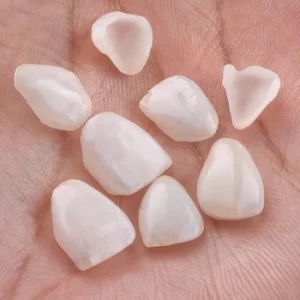 The process of getting porcelain veneers usually requires two to three dental appointments. First, your dentist will assess your oral health to determine whether veneers are the right choice. This includes checking your gums, tooth enamel, and bite alignment.
Once you’re approved for treatment, a small amount of tooth enamel, typically less than a millimetre, is removed from the front of your natural teeth. This process helps the veneers fit comfortably and blend naturally with your teeth. Your dentist will then take impressions or digital scans and forward them to a dental laboratory, where skilled technicians craft custom veneers tailored to your unique smile.
Temporary veneers might be applied to protect your teeth and offer a glimpse of the final result while your permanent veneers are being prepared. Once the final veneers are fabricated, your dentist will bond them to your teeth using dental cement and make final adjustments to achieve a comfortable, natural fit.
Porcelain vs Composite Veneers: What’s the Difference?
One of the biggest decisions you’ll make in this process is choosing between porcelain and composite veneers. Both serve the same purpose, enhancing the appearance of your smile, but differ in materials, cost, and longevity.
Porcelain Veneers
Porcelain veneers are meticulously prepared in a dental laboratory from top-grade ceramic materials. They are more durable and stain-resistant than composite resin veneers. They can last 10 to 15 years or even longer with proper care. Their natural translucency closely resembles real tooth enamel, giving them a lifelike finish.
Composite Veneers
Composite veneers are made using tooth-coloured composite resin applied directly to your teeth. This type of veneer can often be completed in just one appointment at the dentist’s office, offering a faster and more cost-effective solution. However, composite veneers are more prone to staining and usually have a shorter lifespan than porcelain veneers, typically lasting about 5 to 7 years.
When comparing the two, porcelain veneers require more preparation, but their durability and aesthetic qualities often make them worth the investment.
The Cosmetic Benefits of Porcelain Veneers
Porcelain veneers provide more than just a cosmetic upgrade; they can also improve how you feel about your smile. Here’s why they’re often considered one of the most effective dental restorations in cosmetic dentistry.
1. Natural Appearance
The light-reflecting properties of porcelain make veneers look remarkably similar to natural teeth. Porcelain’s translucent nature closely replicates natural tooth enamel, helping the veneers integrate smoothly with your surrounding teeth for a natural look.
2. Stain Resistance
Unlike natural teeth or composite resin veneers, porcelain veneers are highly stain-resistant. You can enjoy coffee, tea, and wine in moderation without worrying about discolouration.
3. Customised for You
Each veneer is custom-made to fit your natural tooth structure, shade, and shape. The dental laboratory uses precise measurements to create veneers that complement your facial features and ensure a harmonious smile.
4. Minimally Invasive
Porcelain veneers are a minimally invasive procedure requiring less enamel removal than dental crowns. Minimal prep veneers or no prep veneers are even more conservative, preserving as much of your natural tooth enamel as possible.
5. Versatility
Veneers can correct various cosmetic concerns, including stained, chipped, misaligned, or broken teeth. They can also close small gaps between teeth, enhancing the overall balance and appearance of your smile.
The Cons of Dental Veneers
While porcelain veneers offer many benefits, it’s equally important to understand the potential drawbacks before proceeding.
1. Irreversible Procedure
Applying veneers involves enamel removal, which is a permanent change to your teeth. Once the enamel is reduced, it does not grow back. This means veneers are a lifelong commitment that will eventually require replacement.
2. Cost Considerations
Porcelain veneers typically come at a higher cost than composite veneers because of their superior material quality and the involvement of a dental laboratory in their fabrication. Veneers cost can vary based on the number of teeth treated, the complexity of the case, and the experience of your dentist.
3. Tooth Sensitivity
Some patients may notice heightened tooth sensitivity to hot or cold sensations after removing enamel. This usually improves over time but can be uncomfortable initially.
4. Not Suitable for All Teeth
Veneers may not be ideal for severely damaged teeth, those with extensive decay, or patients who grind their teeth. In such cases, other dental treatments, like crowns, might be more appropriate.
Are Porcelain Veneers Worth the Cost?
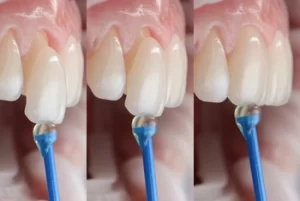 The question remains: are porcelain veneers worth it? The answer depends on your cosmetic goals, budget, and willingness to maintain them properly.
Porcelain veneers are often considered a significant investment in your appearance. Their natural look, long-term durability, and resistance to staining make them a valuable choice for those seeking a lasting cosmetic solution. While the upfront cost may seem high, the long-term benefits, including improved self-esteem and reduced need for frequent touch-ups, often justify the expense.
Composite veneers are a quicker and typically more affordable option for people who want a quicker and more affordable option. However, they cost less but require more frequent replacements. It’s essential to discuss your priorities and expectations with your dentist to determine the right choice for you.
Caring for Your Porcelain Veneers
Consistent care and maintenance are essential for prolonging the lifespan of your veneers. Here’s how to keep them looking fresh and natural.
Practise Good Oral Hygiene
Brush your teeth twice a day and floss gently around your veneers to maintain healthy gums and prevent plaque build-up. Although porcelain is stain-resistant, the surrounding natural teeth can still discolour if oral hygiene is neglected.
Regular Dental Visits
Regular check-ups at your dental clinic allow your dentist to monitor your veneers and address any potential issues early.
Avoid Hard Foods
Avoid biting into hard things such as ice, pens, or nutshells, as this can cause damage to both your veneers and natural teeth.
Limit Staining Habits
While porcelain is stain-resistant, the dental cement used to bond veneers can discolour over time. Try to minimise your consumption of dark-coloured foods and drinks, or rinse your mouth with water afterwards to help prevent staining.
Protect Against Grinding
If you have a habit of grinding your teeth at night, your dentist might suggest wearing a night guard to help protect your veneers from potential damage.
How Porcelain Veneers Compare to Other Cosmetic Treatments
Porcelain veneers are not the only way to enhance your smile. Depending on your cosmetic concerns, other dental procedures might also be considered.
Teeth Whitening
For patients whose primary concern is discolouration, teeth whitening might be a simpler and more affordable option. However, whitening treatments cannot correct issues like gaps, chips, or misshapen teeth, where veneers excel.
Dental Crowns
Dental crowns encase the whole tooth, not just the front surface. They are often used for severely damaged or weakened teeth and provide more protection than veneers, though they require more enamel removal.
Durability and Longevity: How Long Do Porcelain Veneers Last?
With the right care, porcelain veneers can last 10 to 15 years or even longer. Their durability makes them a long-term cosmetic investment. Factors that influence their lifespan include:
- Quality of the dental laboratory work
- The bonding process and dental cement used
- The patient’s oral health and habits
- Proper maintenance and regular dental visits
If a veneer becomes damaged, it can often be replaced individually without affecting the neighbouring teeth. Maintaining proper oral hygiene and sticking to regular dental visits can help preserve your veneers and prolong their lifespan.
Making an Informed Decision
Before choosing porcelain veneers, it’s important to understand your dental health, cosmetic goals, and available options. Here are some factors to consider when deciding if porcelain veneers are worth it:
- Your dental condition: If you have healthy teeth and gums, you’re likely a good candidate.
- Desired outcome: Porcelain veneers provide a natural-looking result and can correct several cosmetic issues simultaneously.
- Budget: They are a significant investment but provide long-lasting results.
- Maintenance: Committing to good oral hygiene and regular dental visits is essential.
Talking through these factors with your dentist can help you decide whether this treatment suits your goals and individual needs.
Final Thoughts: Are Porcelain Veneers Worth It?
 So, are porcelain veneers worth it? For many, the answer is yes. Understanding what this cosmetic treatment involves, from preparation to maintenance, helps you make an informed decision. Porcelain veneers provide a natural-looking, durable, and stain-resistant solution to improve your smile and support better dental health.
Whether you want to improve chipped, misaligned, or discoloured teeth, they offer a lasting enhancement that blends beautifully with your natural teeth. With the right care, these custom-made shells can deliver years of comfort and function.
If you’re considering porcelain veneers or want to learn more about your cosmetic dental options, book a consultation with Beyond Infinity Dental today at (02) 8806 3799.
References
- Larson, J. (2019, October 23). Composite veneers: Pros & cons, procedure, cost, and alternatives. Healthline. https://www.healthline.com/health/composite-veneers
- Colgate-Palmolive Company. (2024, August 30). 12 foods that stain your teeth. Colgate. https://www.colgate.com/en-us/oral-health/teeth-whitening/discolored-teeth-five-foods-that-cause-stains
- Peumans, M., Van Meerbeek, B., Lambrechts, P., Vuylsteke-Wauters, G., & Vanherle, G. (2000). Porcelain veneers: A review of the literature. Journal of Dentistry, 28(3), 163-177. https://doi.org/10.1016/S0300-5712(99)00066-4
- Cleveland Clinic. (2022, April 21). Oral hygiene: Best practices & instructions for good routine. Cleveland Clinic. https://my.clevelandclinic.org/health/treatments/16914-oral-hygiene