


Teeth whitening is one of the most popular cosmetic dentistry treatments for achieving a brighter smile. While most patients enjoy a smooth, comfortable teeth whitening experience, some experience unexpected or even unbearable pain after teeth whitening. This discomfort can range from mild tooth sensitivity to severe pain that affects daily activities. Understanding why this occurs and how to manage it can help you feel more confident about your whitening treatment and protect your oral health.
Below, you will find a detailed and practical guide to the causes, solutions, and prevention strategies for pain after teeth whitening, especially if you have sensitive teeth or pre-existing dental issues.
Why Some People Experience Unbearable Pain After Teeth Whitening
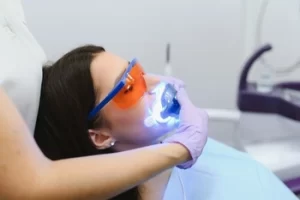
Teeth whitening treatments use whitening agents such as hydrogen peroxide or carbamide peroxide to remove stains. These bleaching agents penetrate the tooth surface and interact with the enamel and dentine. For some patients, this whitening process can lead to increased tooth sensitivity or intense sensitivity that feels sharp and uncomfortable.
 How Whitening Agents Affect Tooth Enamel
Tooth enamel is strong, but it contains microscopic pores. During a whitening procedure, whitening gel enters these pores to break down discolouration. If you naturally have thinner enamel or sensitive areas, this process can easily exacerbate tooth sensitivity and lead to more intense sensitivity after the whitening procedure.
Gum Irritation and Soft Tissue Reaction
Irritated gums are also a common concern. Whitening gel that comes into contact with soft tissue can cause gum irritation, redness, or even bleeding gums. Although this usually improves quickly, some patients experience prolonged discomfort.
Common Reasons for Pain After Teeth Whitening
Pain after teeth whitening can come from different sources. Identifying the cause helps you manage discomfort effectively and prevent further irritation.
Increased Tooth Sensitivity
Sensitivity after teeth whitening often happens because the whitening agents cause temporary changes within the tooth. These changes make your teeth react strongly to cold foods, acidic foods, or even air. People with sensitive teeth before treatment are more likely to experience severe pain or prolonged discomfort.
Gum Recession and Exposed Tooth Surface
If you have gum recession, parts of the tooth that are normally covered become exposed. Whitening products can irritate these sensitive areas, leading to unbearable pain after teeth whitening. Even gentle whitening products or at-home kits may cause discomfort if the roots are exposed.
Pre-existing Dental Issues
Cavities, cracks, or worn enamel can increase the risk of intense sensitivity. When whitening agents enter compromised teeth, you may feel more severe pain. This is why a professional evaluation before any whitening treatment is essential.
At-Home Whitening Products and Their Risks
Many people try over-the-counter products or at-home kits, hoping for quick results. While convenient, these whitening products may contain stronger or poorly controlled whitening agents that increase the chance of irritation.
Why At-Home Kits Can Cause More Discomfort
Ill-fitting trays, excessive whitening gel, or repeated applications can increase tooth sensitivity, irritate gums, or inflame soft tissue. Without guidance from a dental professional, it becomes easier to misuse these products and experience sensitivity after teeth whitening.
How To Manage Unbearable Pain After Teeth Whitening
If you are experiencing severe pain or increased sensitivity, there are several at-home remedies and professional options that can provide relief.
Use Sensitive Toothpaste or Desensitising Toothpaste
Sensitive toothpaste helps block sensations from reaching the nerve. Using desensitising toothpaste before and after whitening can reduce sensitivity and help manage discomfort.
Brush Gently With a Soft Bristled Toothbrush
A soft-bristle toothbrush prevents further irritation to sensitive areas. Brush gently to avoid damaging the protective barrier of the tooth surface.
Avoid Cold Foods and Acidic Foods
Cold foods and acidic foods can trigger more intense sensitivity. Avoiding these for a few days helps soothe irritation and reduce inflammation.
Apply Cold Compresses
Using a cold compress on the outside of your cheek helps reduce inflammation and provide relief. Apply cold compresses in short intervals to avoid aggravating the soft tissue.
Try At-Home Remedies That Soothe Irritation
Warm saltwater rinses, gentle brushing, and hydrating well can help soothe irritated gums. These simple dental care habits support the healing process.
When Pain Persists After Teeth Whitening
Unbearable pain after teeth whitening should not be ignored. If pain persists or becomes worse, you may need a professional evaluation.
 Why You Should See a Dental Professional
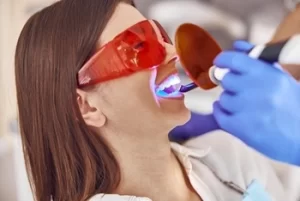
A dental professional can check for sensitive areas, gum recession, tooth enamel wear, or pre-existing dental issues that may have contributed to your discomfort. They can also discuss treatment options to reduce sensitivity and protect your oral health.
Possible Treatment Options for Ongoing Sensitivity
Fluoride applications, desensitising treatments, and strengthening agents may help restore the protective barrier of the tooth and alleviate pain. Your dental professional can also guide you on safe whitening products that offer a more comfortable teeth whitening experience in the future.
How To Prevent Future Pain After Teeth Whitening
Many people enjoy whitening treatments without issues by preparing properly and using gentle whitening products.
Prepare Your Teeth Before Whitening
Using sensitive toothpaste before your whitening appointment can help reduce sensitivity. Addressing cavities, gum irritation, or gum recession beforehand also prevents severe pain during the whitening process.
Choose the Right Whitening Treatment
Professional whitening treatment offers customised trays, controlled whitening agents, and safer application. This reduces the risk of unbearable pain and helps ensure a comfortable teeth whitening experience.
Follow Aftercare Instructions Carefully
Avoiding cold foods, brushing gently, and using the recommended sensitive toothpaste can reduce sensitivity and support healing.
Final Thoughts
 Experiencing unbearable pain after teeth whitening can be alarming, but it is usually temporary and manageable. With proper preparation, the right whitening products, and guidance from a dental professional, most patients can enjoy a brighter smile without discomfort. If sensitivity persists or becomes severe, seeking timely dental care can help protect your teeth, relieve pain, and ensure safer whitening results in the future.
For personalised advice or an assessment, you may contact Beyond Infinity Dental at (02) 8806 3799.
References
- NHS. (n.d.). Teeth whitening. https://www.nhs.uk/tests-and-treatments/teeth-whitening/
- Cleveland Clinic. (n.d.). Sensitive teeth: Causes, treatment & prevention. https://my.clevelandclinic.org/health/symptoms/10954-teeth-sensitivity
- O’Donnell, S. (2025, June 18). Best teeth whitening kit. Forbes. https://www.forbes.com/sites/forbes-personal-shopper/article/best-teeth-whitening-kit/