


Many people focus on their upper teeth when thinking about a straighter smile, but the bottom row is just as important for balance, comfort and overall oral health. If your lower teeth are crowded, uneven or shifting out of place, you are not alone. Bottom teeth often move more noticeably over time and may cause bite problems, discomfort and concerns about appearance. The good news is that several orthodontic treatment options are available to gradually straighten the bottom teeth predictably and safely.
In this guide, you will learn why lower teeth become crooked, which treatment options are available, how long treatment may take, and what to expect during the process.
Why Bottom Teeth Become Crooked or Misaligned
Bottom teeth tend to shift more than upper teeth because the jaw shape is narrower, and crowding happens more easily. Everyday habits and natural changes can also affect alignment.
Common Causes of Crooked or Misaligned Bottom Teeth 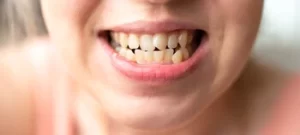
- Jaw size and shape: A small jaw can create crowding, causing the bottom row to overlap or twist.
- Thumb sucking or early childhood habits: These habits may influence the alignment of upper and lower teeth.
- Missing teeth: When a tooth is lost, the surrounding teeth may gradually shift toward the empty gap.
- Natural ageing: Teeth can shift gradually over the years, even if you once had straight teeth.
- Bite problems: An uneven bite can push certain teeth out of their desired position.
- Poor oral hygiene: Gum issues may lead to movement of teeth if not managed properly.
Crooked or misaligned teeth can impact your smile, make cleaning more difficult, increase the risk of bad breath, and affect long-term oral health. Addressing these concerns early helps maintain good oral hygiene and a healthier mouth.
Your Treatment Options for Straightening Bottom Teeth
The right treatment plan depends on your individual case, including the amount of crowding and the position of your upper and lower teeth. A dentist will examine your mouth, assess your bite, take impressions or scans and discuss suitable options.
Traditional Metal Braces
Traditional metal braces are a trusted option for straightening crooked teeth, particularly when there is noticeable crowding. Using brackets and wires, they apply steady pressure that guides the bottom teeth into a more ideal position over time. This type of appliance can also correct alignment concerns that affect both the top teeth and bottom teeth.
Ceramic Braces
Ceramic braces function much like traditional metal braces, but their tooth coloured brackets blend in more naturally. They are a more discreet option and can address many alignment concerns involving both the upper and lower teeth.
Lingual Braces
Lingual braces are fixed to the inner surfaces of the teeth, making them less noticeable from the outside. They can effectively straighten bottom teeth, but they may feel different at first because they sit close to the tongue.
Clear Aligners and Removable Aligners
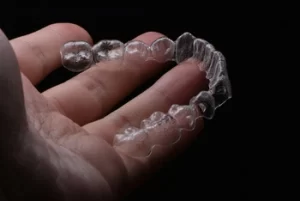 Clear aligners are widely chosen by adults who prefer a subtle and nearly invisible method to straighten their teeth. Invisalign clear aligners and other custom-made systems gently move your teeth using a series of aligners that fit over them. They are removable, making it easier to maintain good oral hygiene and brush areas around the lower teeth. Removable aligners also fit well into daily life and are often more comfortable than fixed braces.
Invisalign treatment typically works well for mild to moderate crowding in the bottom row. Invisalign aligners are also a common option for treating both the upper and lower teeth simultaneously.
Dental Veneers for Minor Cosmetic Alignment
For adults with mild cosmetic concerns, dental veneers may improve the appearance of crooked bottom teeth. Veneers do not actually straighten teeth, but can create the look of a straighter smile. They are best suited for cases that do not require functional changes to the bite.
Avoiding Unsafe Methods
It is important to avoid diy braces or online hacks claiming to straighten crooked teeth. These methods may damage your gums, affect your bite, harm other teeth and lead to long-term problems. Only a trained dental professional can provide safe and predictable orthodontic treatment.
What to Expect During Treatment
Knowing what happens during orthodontic treatment helps you feel prepared. While every case is different, most people can expect steady, gradual adjustments and regular check-ins as the bottom teeth move into better alignment.
Creating Your Treatment Plan
Your dentist will develop a personalised treatment plan tailored to your specific needs. It will include the expected movement of each tooth, the treatment duration and what type of orthodontic treatment best suits your case.
Gradual Movement for Safe Alignment
Whether you choose braces or clear aligners, the goal is to gradually straighten the teeth in small, controlled steps. This protects the teeth, jaw and gums from unnecessary stress.
Maintaining Oral Hygiene
Good oral hygiene is essential throughout the treatment. Clean around brackets carefully, brush after meals and floss daily. Clear aligners should be removed before eating and cleaned regularly to prevent plaque buildup and bad breath.
After Treatment: Keeping Your Bottom Teeth Straight
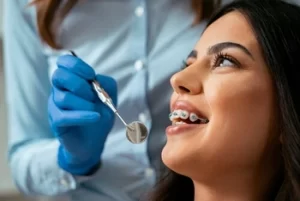 Once your teeth have reached their desired position, you will be asked to wear retainers. Retainers help hold the alignment and prevent the bottom row from shifting back. Wearing retainers as instructed is a key part of long-term good oral health and maintaining your smile.
Some patients may receive a fixed retainer behind the bottom teeth, while others may use removable retainers. Your dentist will recommend what suits your case best.
Final Thoughts on Straightening Bottom Teeth
Straightening bottom teeth is not only about appearance but also about supporting a healthy mouth, balanced bite and long-term oral health. Whether you choose traditional braces, clear aligners, lingual braces or cosmetic options, the goal is to improve alignment and function in a safe and well-planned way. If you think your bottom teeth are shifting or you want to explore treatment options, consider booking a consultation with Beyond Infinity Dental at (02) 8806 3799 to discuss the right approach for your smile.
References
Healthline. (2020, March 30). Wearing retainers after braces: What to know. Retrieved from https://www.healthline.com/health/retainers-after-braces
Colgate. (n.d.). What is good oral hygiene? Retrieved from https://www.colgate.com/en-us/oral-health/adult-oral-care/what-is-good-oral-hygiene
Cleveland Clinic. (n.d.). Teeth braces: Types & how they work. Retrieved from https://my.clevelandclinic.org/health/treatments/24601-teeth-braces