


Replacing missing teeth is a major step toward restoring function, appearance, and confidence. Whether you have had a recent tooth extraction, are considering dental implants, or are exploring temporary dentures to help you transition, one of the most common questions people ask is How long do dentures take to make.
The answer varies from patient to patient because the denture-making process is tailored to the condition of your oral cavity, the number of remaining teeth, and your healing process. Understanding the entire process helps set realistic expectations and prepares you for each stage of your denture journey.
This detailed guide explains what influences how long it takes to get dentures, how dentures are made, and what you can expect before receiving properly fitted dentures that feel natural and comfortable.
Understanding Why Denture Timelines Vary
Before looking at specific stages, it is important to understand why the timeframe can differ so much. Making dentures involves several steps, including taking impressions, designing wax models, creating the artificial teeth, and performing further adjustments for a proper bite.
Factors that affect how long it takes to make dentures
A number of elements influence your treatment plan and the overall time required, including: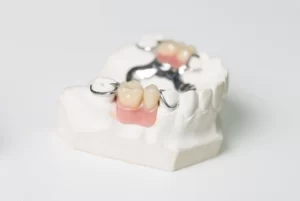
- The number of teeth extracted and whether the tooth extraction procedure was complicated
- The type of dentures you choose, such as partial dentures, complete dentures, conventional dentures, or full denture options
- The condition of your natural teeth and the health of your gums
- Whether you need immediate dentures or temporary dentures
- The skills of the dental technician and the dental lab in constructing your custom dentures
- Healing time after tooth extraction
- The shape of your upper or lower jaw
- The amount of adjustment required to ensure the dentures fit comfortably and support good oral health
Each of these factors plays a role in determining how long it takes to get dentures.
Step One: Your Initial Consultation and Treatment Planning
Your denture journey always begins with an initial consultation. This appointment includes examining your oral cavity, assessing the remaining teeth, and discussing the denture options suitable for your needs.
What to expect during this appointment
The dental professional will:
- Review your dental health and overall oral health
- Check for gum disease, infections, or areas needing treatment
- Discuss whether you need teeth extracted before making dentures
- Explain the differences between partial dentures, complete dentures, temporary dentures, and permanent dentures
- Outline whether dental implants may be a suitable alternative or complementary option
- Identify the timeline for your dentures based on your specific situation
This appointment sets the foundation for the entire process.
Step Two: Tooth Extraction and Healing Time
If you require a tooth extraction or need a few teeth removed, the healing process becomes a key factor in answering how long dentures take to make.
Healing after tooth extraction
Simple extractions usually heal within a few weeks, while more complex procedures may take longer. Swelling, tenderness, and gum shrinkage are natural parts of healing. Dentures replace missing teeth, but the gums must settle before final dentures can be made to ensure a long-lasting and comfortable fit.
Why healing time matters
During healing, gums change shape. If dentures are made too early, the movement of the gums may cause the dentures to loosen or create sore spots. Allowing time for healing leads to properly fitted dentures that match your bite and jaw structure more accurately.
Step Three: Taking Impressions and Creating Bite Moulds
Once your gums have healed enough or if you are proceeding with immediate dentures, the next stage involves taking impressions of your oral cavity.
How impressions are taken
The dentist uses soft wax, bite moulds, or dental trays filled with impression material. These impressions capture the shape of your gums, remaining teeth, and jaw alignment. They also ensure your dentures fit comfortably.
The dental technician uses these impressions to begin the designing phase of the dentures.
Bite registration and wax blocks.
The next step is bite registration. Wax blocks help determine:
- The correct height of your bite
- How the upper and lower jaw meet
- The placement of artificial teeth
- The shape and alignment needed for a proper bite
This part of the denture process ensures your dentures feel natural when speaking, chewing, and resting.
Step Four: Wax Models and Try-In Appointments
After the first set of impressions, the dental lab creates wax models of your new dentures. These wax models allow you and your dental team to preview how the final dentures will look and feel.
What happens during the wax try-in?
At this stage, you will test the wax dentures to confirm:
- Your bite feels balanced
- The artificial teeth look natural
- The arrangement aligns with your facial shape
- The dentures fit snugly without discomfort
Minor adjustments are often made here. This is a normal part of making dentures, and it ensures your final dentures match the measurements perfectly.
Step Five: Creating Your Final Dentures
Once the wax dentures are approved, the dental lab proceeds to make your final dentures.
The role of the dental technician and dental lab
The dental technician uses the approved wax model as a guide to create your custom dentures. This process includes:
- Crafting the base that sits on your gums
- Designing the artificial teeth
- Ensuring proper shade matching
- Creating durable materials that mimic natural teeth
- Final polishing and finishing
The quality of the dental lab and the skill of the dental technician greatly influence the accuracy and comfort of your dentures.
How long does this stage usually take
On average, crafting final dentures takes one to two weeks, depending on complexity. Premium dentures or highly customised designs may take longer.
Step Six: Final Fitting and Adjustments
After the final dentures are ready, you will attend a fitting appointment to ensure they sit properly and feel comfortable.
What to expect at the fitting appointment
Your dental team checks the dentures to ensure:
- They do not cause sore spots
- They fit securely without slipping
- They align correctly with both jaws
- They provide a comfortable bite
- They support healthy teeth and gum tissue
- They do not interfere with speech or chewing
If needed, further adjustments are performed.
Why adjustments matter
Even well-made dentures may require small refinements. Adjustments help fine-tune your bite, relieve pressure points, and ensure the dentures feel natural.
Immediate Dentures: A Faster Option When You Need Teeth Removed
If you prefer not to go without teeth after extractions, immediate dentures may be provided on the same day.
Benefits of immediate dentures
Immediate dentures:
- Replace missing teeth instantly
- Help protect the gums during early healing
- Assist with speaking and chewing during the transition
- Improve appearance right after the tooth extraction procedure
However, they require multiple follow-up appointments because the gums shrink as they heal, causing the dentures to loosen.
How long does it take to get immediate dentures?
These dentures are usually prepared ahead of your extraction appointment. The dentist takes impressions before removing the teeth, allowing the dental lab to make temporary dentures that you wear immediately after the extraction.
Conventional Dentures: A More Accurate, Longer Lasting Option
Conventional dentures are created after the gums have fully healed. This can take a few months, depending on individual healing times.
Why do conventional dentures take longer?
Waiting allows the gums and bone to stabilise. This reduces the amount of reshaping needed later and helps the dentures fit comfortably with fewer long-term adjustments.
How long do conventional dentures take to make
Once healing is complete, the timelines for impressions, wax try-ins, and final fitting remain similar to the standard denture process. The entire process from healing to final dentures can take around two to four months.
Partial Dentures: Faster Solutions for Replacing a Few Teeth
If you still have healthy teeth remaining, partial dentures may be recommended. Because partial dentures rely on the surrounding teeth for support, they often have a shorter timeline than full dentures.
How long do partial dentures take to make
Many partial denture designs take three to six weeks from the first appointment to the final delivery. The timeline depends on the number of teeth involved and the style chosen.
Temporary Dentures: Helping You Transition to Final Dentures
Temporary dentures are designed for short-term use while waiting for your permanent dentures. They help with chewing, speaking, and everyday appearance.
Why are temporary dentures useful?
They:
- Assist during healing
- Maintain facial structure
- Prevent gums from shifting
- Provide comfort until the final dentures are ready
Temporary dentures take less time to make because they are not designed for long-term durability.
How Long Does It Take To Get Dentures Overall
The entire process can range from several weeks to several months, depending on your needs:
- Immediate dentures: provided the same day as extractions
- Temporary dentures: usually ready within one to two weeks
- Partial dentures: three to six weeks
- Permanent dentures after extraction: two to four months, including healing time
- Premium dentures: may take longer due to customisation
Each patient’s timeline varies based on oral health, healing time, and the complexity of the denture options chosen.
How Long Do Dentures Take To Make After Tooth Extraction
If you need teeth extracted before receiving dentures, allow time for proper healing. In most cases:
- First healing phase: four to eight weeks
- Full healing: up to three months or more
- Final dentures created: after impressions and try-ins
This helps ensure the dentures fit well and last longer.
Wearing Dentures for the First Time: What to Expect
Receiving your new dentures is a major milestone, but adjusting takes time.
How dentures feel at first
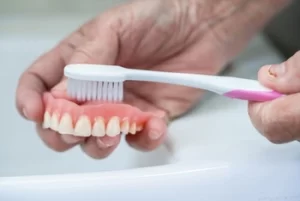 In the beginning:
- Dentures feel fuller than natural teeth
- Speech may feel slightly different
- Chewing may take practice
- Mild sore spots are normal
Your dental professional will guide you on how to ease into wearing dentures and what signs indicate that discomfort persists longer than expected.
Adjusting to your dentures
With practice and patience, your dentures fit comfortably and function like natural teeth. The key is following instructions and attending adjustment appointments.
Proper Care Helps Dentures Last Longer
Looking after your dentures helps maintain comfort and extend their lifespan.
Daily care tips
- Clean dentures every day
- Brush gums and remaining teeth
- Keep dentures moist when not in use
- Attend routine dental checkups
- Report sore spots if they appear
Good oral health supports successful denture wear and long-term comfort.
Final Thoughts: Understanding the Denture Timeline Helps You Prepare with Confidence
The time it takes to make dentures depends on whether you need tooth extraction, the type of dentures chosen, your healing process, and the steps required to create custom dentures that suit your bite and jaw.
From impressions and wax models to bite registration and final fitting, every stage plays an important role in ensuring your dentures fit comfortably and look natural. With the right treatment plan and support from your dental professional, you can successfully transition to dentures that restore your smile, improve function, and support long-term dental health.
If you are considering dentures and want personalised guidance on the most suitable options for your situation, book a consultation with Beyond Infinity Dental today at (02) 8806 3799.
Note: Any surgical or invasive procedure carries risks. Before proceeding, you should seek a second opinion from an appropriately qualified health practitioner.
References
Mayo Clinic. (n.d.). Dental: Adult health – Missing teeth and false teeth (dentures). Retrieved from https://www.mayoclinic.org/healthy-lifestyle/adult-health/in-depth/dental/art-20047475
Healthline. (2021, April 8). Partial dentures: Cost, types, and how to choose. Retrieved from https://www.healthline.com/health/dental-and-oral-health/partial-denture
Colgate. (n.d.). Getting dental impressions? Here’s what to expect. Retrieved from https://www.colgate.com/en-us/oral-health/bridges-and-crowns/dental-impressions-what-to-expect
Cleveland Clinic. (n.d.). Dentures: What are they? Types, care & benefits. Retrieved from https://my.clevelandclinic.org/health/treatments/10900-dentures