


A dental crown for broken tooth repair is one of the most reliable ways to restore strength, comfort and function when a tooth has been damaged or weakened. Whether you have a cracked tooth, a broken tooth or a tooth that has been affected by tooth decay, a dental crown can protect the natural tooth structure and support long-term dental health. This guide explains how the treatment works, what to expect from the dental crown procedure and how it helps protect teeth from further damage.
Understanding Why a Dental Crown Might Be Needed
A dental crown is a tailored restoration that fits over the full surface of the tooth, reinforcing the affected tooth and restoring its tooth shape, strength and natural appearance. It is often recommended when the tooth cannot be repaired with dental fillings alone. If a tooth is severely damaged or decayed, a dental crown provides a stable, long-lasting solution.
When a Dental Crown Helps Most
A crown is commonly recommended when: 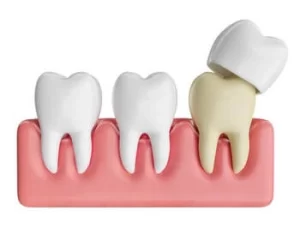
- A cracked tooth needs protection to prevent further splitting.
- A broken tooth has lost too much structure to be repaired with a filling.
- Following root canal therapy, a tooth may need additional support to maintain its strength and safeguard it from further damage.
- Tooth decay has weakened the natural tooth structure
- You need support for a dental bridge.
- You may be restoring a missing tooth with the help of a dental implant.
Tooth dental crowns are designed to restore both function and appearance, giving you confidence when biting and chewing. With the right care and regular dental check-ups, crowns can last many years.
A Closer Look at the Various Dental Crown Options
Crowns come in several materials, each with unique strengths. Your dentist will help match the right type of crown to your dental concerns, bite, tooth position and cosmetic dentistry goals.
Porcelain Crowns and Ceramic Crowns for a Natural Appearance
Porcelain crowns and ceramic crowns are well known for their natural appearance. They blend seamlessly with surrounding teeth and work well for front teeth or highly visible areas. They also promote good oral hygiene because they are stain-resistant.
Porcelain fused to metal crowns and full metal crowns for long-lasting strength.
A porcelain-fused-to-metal crown combines strength and aesthetics. It uses a metal base layered with tooth coloured material. It is suitable for back teeth and areas that need added durability.
Metal crowns are the strongest option and ideal for patients who need maximum strength for biting and chewing, especially on molars, where appearance is less important.
Temporary Crowns for Short-Term Protection
Temporary crowns are used while the permanent crown is being created. They protect the tooth, prevent sensitivity and maintain the space between opposing teeth until the new crown is ready.
What Happens Step by Step During the Dental Crown Procedure
The dental crown procedure is typically performed over two visits. Each step focuses on protecting the natural teeth and ensuring the crown fits comfortably.
First Appointment: Preparing the Tooth
The dentist begins by examining the damaged or decayed tooth to determine the most suitable treatment. If the tooth requires root canal therapy, this will be completed first to remove infection. Once the tooth is ready, the dentist gently reshapes the tooth structure so the crown can fit over it securely.
An impression of the shaped tooth and the surrounding teeth is taken to design a crown that matches your smile. A temporary crown is then fitted to shield the tooth until the permanent crown is ready.
Second Appointment: Fitting the New Crown
During the following appointment, the dentist removes the temporary crown and places the newly made crown onto the tooth. They will check the bite, comfort and fit to ensure the crown feels natural. When everything is correct, the crown is cemented permanently in place.
A well-fitted crown protects teeth, strengthens the affected tooth and improves overall dental health.
How a Dental Crown Protects Your Tooth Long Term
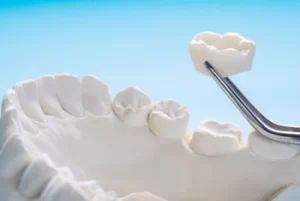 A dental crown acts as a strong barrier that prevents further damage. It protects weakened areas, keeps the entire tooth together and reduces the risk of cracks spreading. For patients with decayed teeth or a previously broken tooth, a crown helps stop problems from returning.
Crowns also support oral health by restoring your ability to chew properly. They maintain the alignment of opposing teeth and surrounding teeth, which prevents shifting or bite issues.
For people with a missing tooth, crowns may be placed as part of a dental bridge or secured onto a dental implant. This restores both function and appearance, reducing strain on remaining natural teeth.
Caring for Your Dental Crown
Maintaining good oral hygiene helps your crown stay in good condition. Brushing twice daily, flossing carefully around the crown and attending regular dental check-ups reduces the risk of decay forming under the crown edges.
What to Watch Out For
Although crowns are long-lasting, certain signs may indicate that the crown needs attention. These include:
- The crown feels loose
- Sensitivity around the affected tooth
- Discomfort when biting
- Chips or cracks in the crown
If you notice a loose crown or discomfort, contact a dentist promptly so the issue can be treated early.
How Crowns Compare to Other Treatments
A dental crown is often chosen when the natural tooth structure is too damaged to support fillings or when a dental cap is needed for reinforcement.
Dental fillings work well for small to moderate cavities, but they cannot restore teeth that have lost significant structure. A crown strengthens the entire tooth and offers more protection.
Crowns also play a key role in replacing missing teeth. When attached to a dental implant or used with a dental bridge, they restore bite strength and support long-term dental health.
Are Dental Crowns Suitable for Everyone?
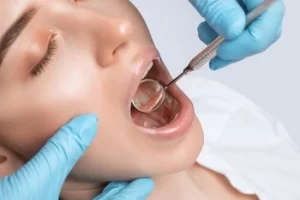 Most people with a cracked tooth, broken tooth, damaged or decayed tooth are suitable candidates for a crown. Your dentist will assess the level of damage, the health of your gums and the state of nearby teeth before recommending the most suitable treatment.
In some cases, where the tooth cannot be saved, an extraction may be required. The space can then be restored with a dental implant or bridge.
Final Thoughts on Choosing a Dental Crown for a Broken Tooth
A dental crown for broken tooth repair offers a stable, natural-looking, and long-lasting solution for restoring a damaged or decayed tooth. It reinforces the natural tooth structure, protects against further damage and restores the comfort and function you rely on each day. With the right dental care, good oral hygiene and regular dental check-ups, a crown can support your dental health for many years. If you have concerns about a cracked tooth, a broken tooth or a crown that feels loose, contact Beyond Infinity Dental at (02) 8806 3799 to book an appointment, help you explore the right treatment and ensure your smile stays healthy and strong.
Note: Any surgical or invasive procedure carries risks. Before proceeding, you should seek a second opinion from an appropriately qualified health practitioner.
References
Mayo Clinic. (n.d.). Dental implant surgery. https://www.mayoclinic.org/tests-procedures/dental-implant-surgery/about/pac-20384622
NHS. (n.d.). Take care of your teeth and gums. https://www.nhs.uk/live-well/healthy-teeth-and-gums/take-care-of-your-teeth-and-gums/
Cleveland Clinic. (n.d.). Root canal. https://my.clevelandclinic.org/health/treatments/21759-root-canal